

TL;DR
I make unofficial remixes, often around an existing vocal. Finishing one doesn’t give me permission to release it.
I’m not asking labels to sign me. I’m asking rights holders whether I can share a remix on SoundCloud, unofficially and without monetization or downloads, so people can hear it. That includes the artists and songwriters behind the original.
I’ve had useful replies, limited permission for tracks and other requests that are still open. Without the needed permission, the music stays private.
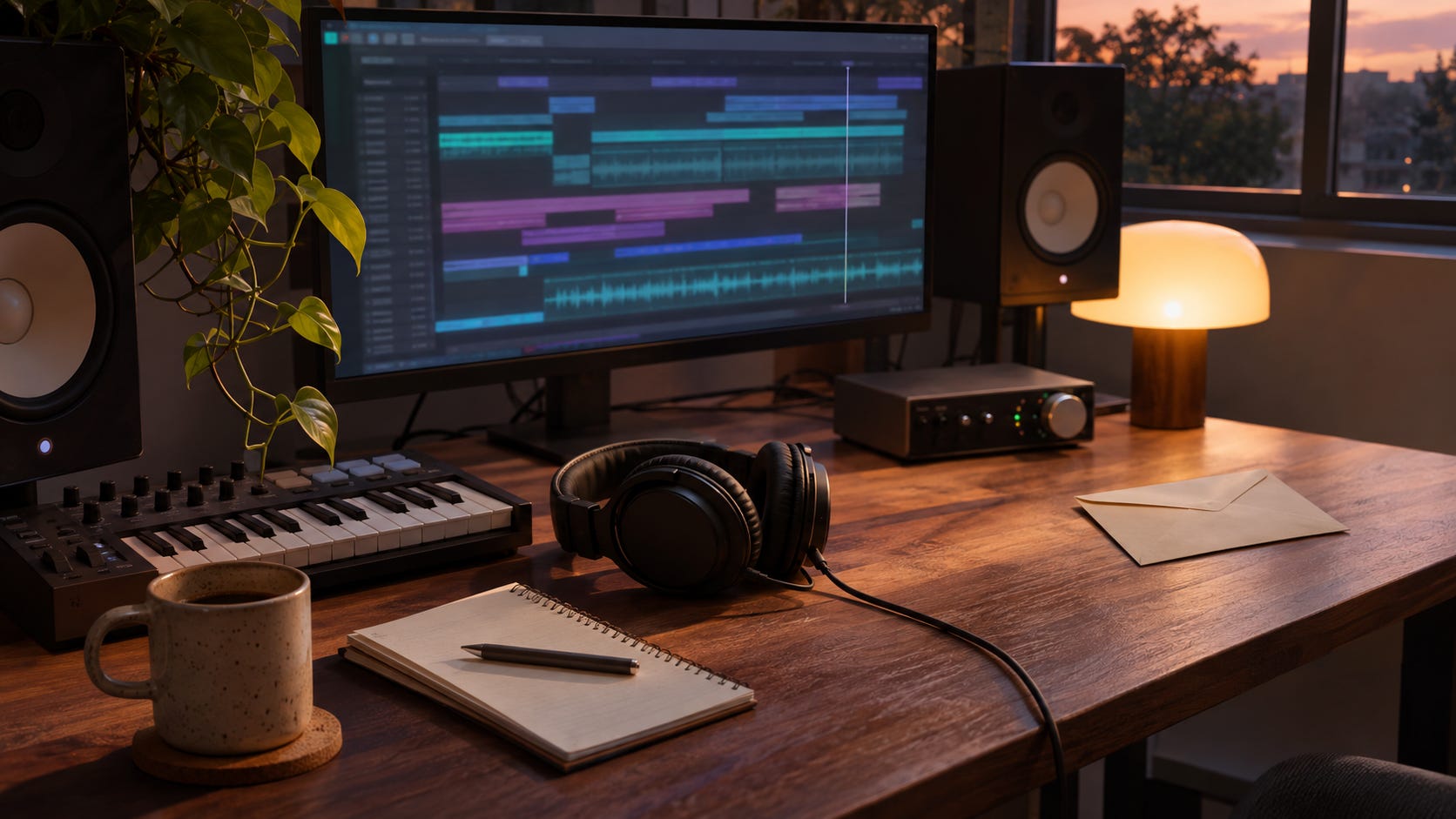
I’ve spent a lot of time in Ableton making remixes of songs I love.
Sometimes that means working a vocal into a completely different tempo and arrangement. I might build a new low end around it, change the way the chorus arrives or make both an extended mix and a radio edit. I keep listening, making adjustments and checking what happens when all the parts play together.
That’s the creative work. There’s another part after the music is finished, and it can take just as much care.
I use recordings and compositions that belong to other people. I want to respect the artists who made them, so I don’t treat a completed remix as an automatic right to publish it. I find out who controls the relevant rights, explain what I’ve made and ask what permission would be needed.
I’m not asking a label to sign me, release my track, promote it or invest in my music. Usually I’m asking whether I can share one clearly labeled, unofficial remix on SoundCloud, with monetization and downloads turned off. I’m not asking to distribute it to Spotify or Apple Music. I understand even that limited use can require permission from more than one party.
Why go through all this for a track I won’t make money from? I want people to hear the music. More than that, I want the right ears to hear it: the artists, songwriters and other people behind the original. I’d like them to hear what I did with their song and, hopefully, appreciate it as one artist to another.
I’ve had some good conversations doing this. I’ve also learned that a polite, well-defined request doesn’t always lead to a decision.
What a useful answer looks like
One of my favorite examples is my unofficial reimagining of Forest Blakk’s “Long Story Short.” I kept his recorded vocal and wrote a new electronic arrangement around it. His team first declined release clearance. After reviewing my article about the arrangement, they agreed to a specific public SoundCloud use under the conditions we’d discussed.
That permission wasn’t a blanket license, an official remix release or permission to distribute the track everywhere. It was a clear agreement for a defined use, and that was enough for what I wanted to do.
I wrote about the arrangement in I Moved the Vocal to Fit the Track. One Phrase Changed the Plan. and about the permission in The Remix Is Finished. Can I Share It?. I appreciated that his team took the time to consider it. More than anything, I was glad people could finally hear the version I’d made. You can listen to it on SoundCloud.
Other exchanges have been helpful without ending in approval. A management contact has offered to route a project for consideration to the artists. A publishing contact has explained part of the rights picture and asked for a working private link. I value responses like that because they help me understand where a request belongs.
On another project, a rights holder quoted an initial fee for clearing the use of a master recording. For the limited, nonmonetized SoundCloud release I had in mind, that cost didn’t make sense. I thanked the person who replied and didn’t pursue that route further.
The people on the other side have their own responsibilities. Someone may be willing to help without controlling the recording, the composition or every approval needed. A helpful reply can simply tell me who to ask next.
What I actually send
I try to make the request easy to understand.
I identify the original artist and recording, explain how I’ve used it and provide a private listening link when appropriate. I describe the proposed public use, including the platform, unofficial labeling and whether there would be downloads, monetization or wider distribution.
Sometimes I have to approach the master-recording owner and the people responsible for the underlying song separately. They can be different rights holders. I don’t expect one person to approve rights they don’t control.
I also keep track of who I’ve contacted and what was actually agreed. A reply saying someone will listen isn’t approval. Neither is an automated acknowledgment. And permission for a SoundCloud stream doesn’t automatically extend to a download, a distributor release or a different remix.
When there isn’t an answer
Some requests simply remain open after a follow-up. I don’t know whether they never reached the right person, were passed over after someone considered them or landed in an inbox with more work than anyone can handle.
I can’t say if anyone is intentionally ignoring my music. Artists, managers, publishers and labels all have priorities I can’t see. A rights request can also require several people to agree.
I’ve received automated responses to music submissions too. Those tell me something about how a submission channel operates, but not necessarily whether a specific track was heard. When I’ve checked private SoundCloud activity, I haven’t always seen a play I could connect to a submission. Those statistics have limitations, so I wouldn’t use them to accuse anyone of not listening.
A rights request isn’t like a demo. If a label passes on a demo, I can move on. If the people who control a borrowed recording haven’t granted the required permission, I can’t treat silence as a yes.
Would a more consistent way to confirm receipt or close a request be useful? Absolutely. Even a clear no would help me plan what to work on next. But I also understand that a small noncommercial request can take real time to evaluate, and nobody is obligated to grant it.
Keeping the music and the relationships intact
There’s a lot I can control as an independent producer. I decide how much time to give an arrangement, whether the mix is ready and which ideas are worth pursuing. I can be clear about the rights I’m asking for, respond professionally to the people who answer and make sensible decisions when a proposed license is beyond the budget for that project.
What I can’t control is whether another artist or rights holder wants my version of their music made public. I respect that decision, including when no decision has come back.
I still enjoy making remixes. Working with a familiar vocal in a new musical setting teaches me things I carry into my original tracks. Some of those remixes may eventually be shared under the right conditions. Others may stay private. That doesn’t make the time spent creating them a waste.
If you’re an artist, manager, label or producer who’s dealt with remix requests, I’d be interested in what makes the process easier on your side. I’d like to keep learning how to approach it well.
Resources
The Remix Is Finished. Can I Share It?. My earlier article about the specific Forest Blakk permission and the rights involved in a remix.
Musical works and sound recordings, U.S. Copyright Office. An explanation of why the underlying song and a particular recording can have different owners.
How do I upload content that contains work created by someone else?, SoundCloud. Platform guidance on using recordings that belong to others.
Advanced SoundCloud Insights. How SoundCloud counts plays, including delays and listeners it can’t identify.